
Introduction
Architectural Planning is more than just designing buildings; it’s about shaping spaces where people live, work, and interact.
From ancient structures to cutting-edge skyscrapers, architectural practice has evolved to blend aesthetics, functionality, and sustainability. Architects play a crucial role in designing spaces that are not only visually appealing but also structurally sound and environmentally friendly.
Furthermore, Architectural Planning plays a vital role as we explore the different aspects of architectural practice, home architecture design, modern buildings, and the role of architects in shaping our built environment.
Understanding Architectural Practice
Definition and Scope of Architectural Practice
Architectural Planning is at the core of architectural practice, encompassing the planning, designing, and overseeing of construction projects. It also requires a deep understanding of materials, structural integrity, design principles, and regulatory codes.
Key Responsibilities of Architects
Architects are responsible for:
- Conceptualizing building designs
- Ensuring the functionality and safety of structures
- Managing construction projects from start to finish
- Collaborating with engineers, designers, and clients
The Importance of Architectural Regulations and Standards
Every architectural project must comply with building codes and regulations to ensure safety, durability, and sustainability. Architects must stay updated with zoning laws, environmental policies, and construction best practices to meet legal requirements.

The Role of Architects in Modern Society
How Architects Contribute to Urban and Rural Development
Architectural Planning enables architects to shape cities and towns by designing buildings that integrate seamlessly with their surroundings. Moreover, their work influences how people experience spaces, from public parks to high-rise apartments.
Balancing Aesthetics and Functionality
A well-designed building is not only visually stunning but also highly functional. Architects must strike a balance between aesthetics, usability, and sustainability.
Sustainable Architecture and Eco-Friendly Designs
With climate change concerns on the rise, architects are focusing on sustainable practices, including:
- Using energy-efficient materials
- Designing buildings with natural ventilation and lighting
- Incorporating green roofs and solar panels
Home Architecture Design: Creating Dream Homes
Modern Trends in Home Architecture
Today’s home architecture embraces:
- Open floor plans for better space utilization
- Smart home technology integration
- Minimalist and eco-friendly designs
Essential Elements of Home Design
A well-designed home should have:
- Efficient use of space
- Natural lighting and ventilation
- Aesthetic appeal that complements functionality
The Role of Technology in Home Architecture
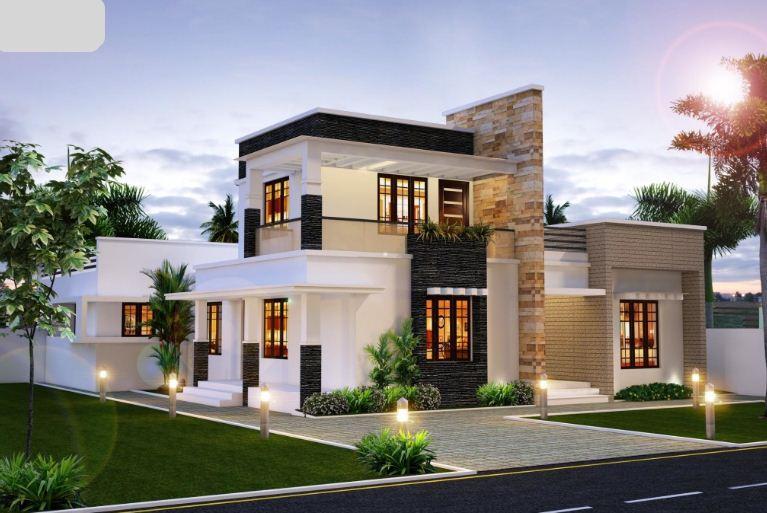
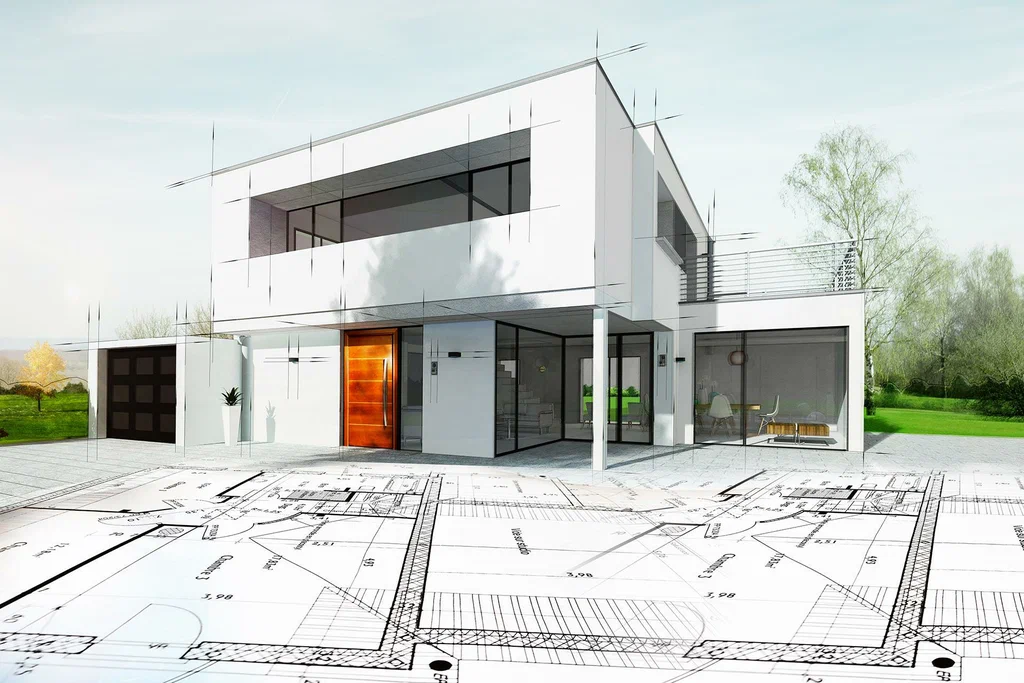
Technological advancements like 3D modeling and virtual reality (VR) have revolutionized the industry. Furthermore, Architectural Planning now enables homeowners to visualize designs before construction begins.
Building Architecture: Commercial vs. Residential
Differences Between Residential and Commercial Architecture
While residential buildings focus on comfort and aesthetics, commercial buildings prioritize functionality and efficiency. Additionally, Architectural Planning ensures that both types of structures meet design, safety, and sustainability standards.
Key Principles of Building Design
Every building, whether a home or office, must adhere to:
- Structural integrity for long-term durability
- Efficient space planning
- Compliance with safety and environmental laws
Challenges Faced in Modern Building Architecture
Architects must navigate challenges such as:
- Budget constraints
- Adapting to new construction materials and techniques
- Meeting sustainability goals
Architectural Design: Merging Art and Science
The Creative and Technical Aspects of Architectural Design
Architectural design is both an art and a science. It combines creative vision with engineering expertise to create functional and visually striking buildings.
The Impact of Cultural Influences on Architecture
Different cultures have unique architectural styles, from traditional Japanese houses to European Gothic cathedrals. Moreover, Architectural Planning preserves these cultural identities while incorporating modern innovations.
How Materials and Construction Techniques Shape Design
Architectural Planning has been transformed by advancements in materials such as glass, steel, and prefabricated components, revolutionizing modern architecture.
The Evolution of Architecture: From Traditional to Modern
Historical Overview of Architectural Styles
From ancient Egyptian pyramids to Roman amphitheaters, architecture has always reflected the era’s technology and culture. Additionally, Architectural Planning plays a crucial role in preserving historical designs while adapting to modern needs.
Transition from Classical to Modern Architecture
The shift from ornate classical styles to sleek, modern buildings reflects changing societal needs and technological progress.
The Rise of Futuristic and Smart Architecture
Modern architecture is moving toward futuristic designs incorporating AI, robotics, and sustainable energy solutions.
Sustainable Architecture and Eco-Friendly Buildings
Importance of Sustainable Building Practices
Sustainability is at the forefront of modern architecture, with an emphasis on reducing carbon footprints.
Use of Renewable Materials and Energy-Efficient Designs
Architects are incorporating materials like bamboo, recycled steel, and solar panels to create energy-efficient buildings.
Examples of Successful Eco-Friendly Architecture
Notable green buildings include:
- The Edge in Amsterdam (energy-efficient office building)
- Bosco Verticale in Milan (vertical forest skyscraper)
Future Trends in Architecture and Building Design
The Rise of AI and Automation in Architecture
AI is transforming architectural design by enabling smart planning, predictive maintenance, and automated construction.
Predictions for Future Cityscapes and Smart Homes
Future cities will likely feature self-sustaining buildings, AI-powered infrastructure, and floating or underground habitats.
How Architecture Will Continue to Evolve with Technology
With 3D printing, VR, and AI, architecture will become more efficient, customizable, and sustainable.
Conclusion
Architectural Planning continues to evolve, blending creativity, technology, and sustainability. Whether designing a home or a skyscraper, architects play a crucial role in shaping the spaces where we live and work. As the industry embraces innovation, we can expect buildings that are not just functional but also intelligent, eco-friendly, and visually stunning.
FAQs
1. What is the main role of an architect?
Architects design buildings and oversee their construction, ensuring they are safe, functional, and aesthetically pleasing.
2. What is the difference between an architect and a home designer?
Architects focus on structural integrity and regulations, while home designers emphasize interior aesthetics and layout.
3. How is technology influencing architecture?
Technologies like AI, 3D printing, and VR are making architectural design more efficient and precise.
4. Why is sustainability important in modern architecture?
Sustainable architecture reduces environmental impact by using eco-friendly materials and energy-efficient designs.
5. What are some emerging trends in architecture?
Smart homes, green buildings, and AI-driven designs are shaping the future of architecture.

Leave a Reply