

Empowering Tomorrow with Solar Wind Energy
Solar Wind Energy captures the sun’s rays using photovoltaic panels, while wind sustainable wattage converts the wind’s kinetic energy into electricity with turbines.
Solar wind energy captures the sun’s rays using photovoltaic panels, and wind energy harnesses turbines to convert the breeze kinetics into electricity. Solar panels generate electricity during daylight hours, whereas wind turbines operate day and night, depending on wind conditions.
Solar wind energy solutions drive a sustainable future by providing clean, renewable power and reducing reliance on fossil fuels. By actively harnessing the sun’s rays through photovoltaic panels and converting the air current energy with turbines, these technologies create an efficient and eco-friendly solution to meet global energy demands.
As solar wind energy storage and smart integration evolve, solar wind energy provide a reliable, cost-effective, and environmentally responsible power supply. Additionally, solar wind energy today paves the way for a greener, more sustainable tomorrow.
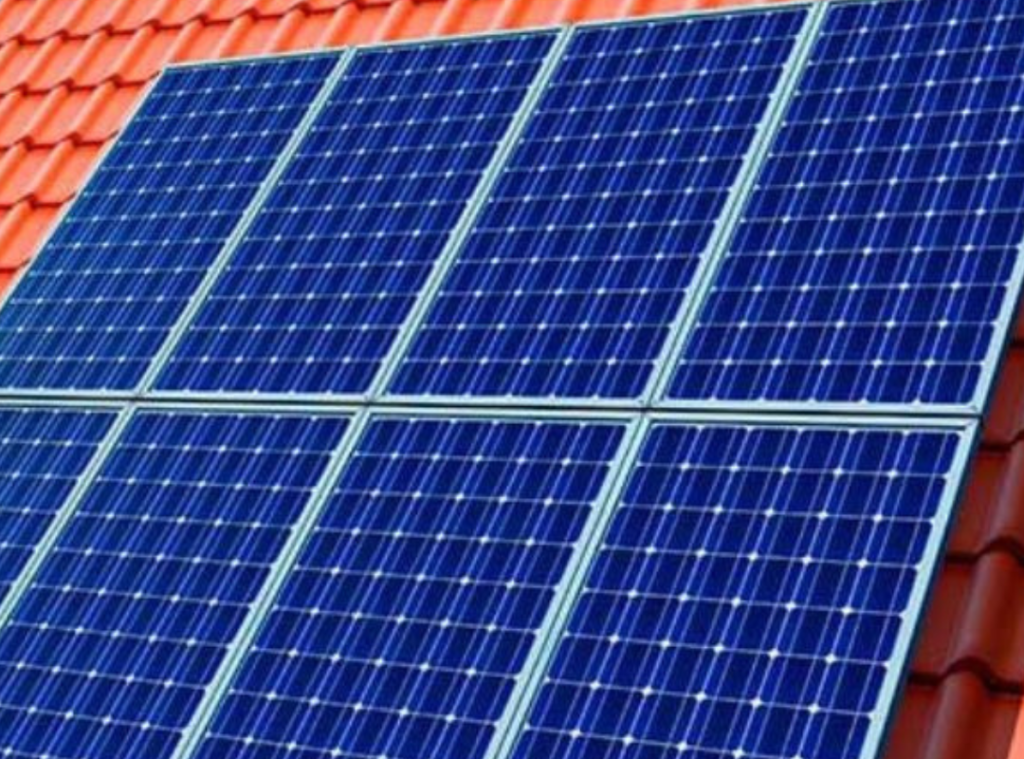

Solar
Solar wind energy combines solar and wind power to generate electricity efficiently. Solar energy captures the sun’s rays through photovoltaic panels and converts sunlight into clean, renewable electricity.
Moreover, this technology actively reduces dependence on fossil fuels, cuts carbon emissions, and supports sustainable power solutions for homes, businesses, and industries.
As efficiency and energy storage improve, solar power provides a reliable and cost-effective solution for meeting growing energy demands. Additionally, it actively supports environmental conservation by reducing reliance on nonrenewable resources.
Key Elements of Solar
1.Solar Panels (Photovoltaic Panels):
These panels contain semiconductor materials, like silicon, that directly convert sunlight into electricity. When sunlight hits the photovoltaic cells, they absorb the energy and generate an electric current.
Solar panels, or photovoltaic (PV) panels, capture sunlight and convert it into electricity using semiconductor materials like silicon. They provide clean energy, reduce fossil fuel dependence, and cut carbon emissions.
As efficiency and durability improve, solar panels provide a reliable and cost-effective solution for powering homes, businesses, and industries. Additionally, they actively support environmental sustainability by reducing reliance on nonrenewable energy sources.
2.Inverter:
Solar and Wind Energy: The inverter converts the direct current (DC) produced by solar panels into alternating current (AC), which most electrical appliances use.
An inverter actively converts the direct current (DC) from solar panels into alternating current (AC) to power homes, businesses, and industries. Moreover, it plays a crucial role in optimizing energy usage and ensuring compatibility with electrical systems.
As energy conversion improves, inverters enhance efficiency and integrate with electrical grids. Advancements in technology boost reliability, increase output, and support smart energy management.
3.Battery Storage (optional):
Solar and Wind Energy batteries store excess energy generated by solar panels during the day, allowing users to access power at night or during cloudy weather.
Battery storage actively stores excess energy from solar panels or wind turbines, giving users access to power when production decreases or demand increases. Furthermore, it enhances energy reliability and ensures a steady power supply.
Battery storage stabilizes energy supply, reduces grid reliance, and strengthens energy independence. Advancements in technology improve efficiency, extend battery life, and speed up the shift to sustainable energy.
4.Solar Thermal Collectors:
Solar Wind Energy systems capture heat from the sun and use it for space heating, water heating, or even electricity generation through steam turbines.
Solar thermal collectors actively capture sunlight and transform it into heat for applications such as water heating, space heating, and electricity generation. Furthermore, these systems decrease dependence on conventional heating methods and help lower energy costs.
Moreover, advancements in solar thermal technology improve efficiency, increase durability, and strengthen sustainability. As a result, these systems provide a reliable solution for residential, commercial, and industrial energy needs.
5.Mounting Systems:
Solar Wind Energy People install solar panels on rooftops, ground mounts, or trackers that adjust their position toward the sun to maximize energy capture.
Mounting systems secure solar panels for optimal energy capture on rooftops, ground mounts, or trackers. They improve stability, protect panels, and maximize efficiency.
Moreover, advancements in mounting technology increase adaptability, simplify installation, and boost overall system performance for residential, commercial, and industrial applications.
Wind
Wind energy, harnessed through turbines, converts wind into electricity. Wind energy harnesses the kinetic energy of moving air and transforms it into electricity through turbines, creating a clean and renewable power source.
Moreover, it reduces reliance on fossil fuels while lowering carbon emissions and actively promoting environmental sustainability.
Additionally, advancements in turbine technology boost efficiency, strengthen durability, and increase the potential for wind power in both onshore and offshore applications.
Key Elements of Wind
Wind turbines have blades that rotate with the wind, generating mechanical energy, which is then converted into electricity. Turbines harness wind’s kinetic energy through rotating blades, which power a generator to create electricity.
Additionally, the tower elevates the turbine to stronger, more consistent winds, maximizing energy output. The tower raises the turbine to higher altitudes, capturing stronger and more consistent wind speeds.
Furthermore, control systems enhance performance by adjusting blade angles and monitoring wind conditions. These elements work together to generate reliable and sustainable energy.
1.Blades:
Solar Wind Energy The blades are the primary components of the turbine that capture the wind’s kinetic energy and convert it into mechanical energy.
Blades serve a crucial role in wind energy systems by capturing wind’s kinetic energy and transforming it into rotational motion. Moreover, their aerodynamic design enhances efficiency by improving airflow and reducing resistance.
Furthermore, advancements in materials and engineering strengthen durability, boost performance, and increase energy output. These improvements make wind turbines more effective in various conditions.
2.Generator:
The generator connects to the turbine and converts the mechanical energy from the blades into electrical energy.
The generator plays a crucial role in wind energy systems by converting the rotational motion of turbine blades into electrical power. Moreover, as the blades spin, they drive a connected shaft, generating electricity through electromagnetic induction.
Additionally, advancements in generator technology boost efficiency, increase durability, and maximize energy output. These improvements ensure a reliable and consistent power supply.
3.Tower:
The tower supports the turbine and raises it to an optimal height, where wind speeds are stronger and more consistent.
The tower holds the wind turbine and elevates it to higher altitudes, capturing stronger and more consistent wind speeds. Moreover, its height optimizes energy capture by minimizing turbulence and increasing exposure to steady winds.
Furthermore, improvements in tower design strengthen structural stability, increase durability, and allow for taller installations to boost energy production.
4.Control Systems:
These systems ensure the wind turbine operates efficiently by adjusting the angle of the blades (pitch control) and orienting the turbine to face the wind (yaw control).
Control systems significantly improve wind turbine efficiency by adjusting blade angles, regulating rotation speed, and monitoring wind conditions. Moreover, they enhance performance by preventing mechanical strain and optimizing power output.
Additionally, these systems boost performance by reducing mechanical strain, increasing safety, and optimizing power output. Ongoing technological advancements enhance responsiveness, strengthen reliability, and enable smarter energy management for greater efficiency.
5.Energy Storage (optional):
Similar to solar, excess energy produced by wind turbines can be stored for use when wind speeds are low.
Energy storage systems efficiently collect and retain excess electricity from solar panels or wind turbines, ensuring power availability during low production or high demand. Furthermore, they enhance grid stability and improve energy reliability.
Moreover, these systems stabilize the grid, boost energy reliability, and integrate renewable sources. Advancements in storage technology enhance efficiency, prolong battery life, and strengthen energy infrastructure.
Conclusion
Solar wind energy offer sustainable, eco-friendly solutions to meet global power demands. These technologies reduce greenhouse gas emissions, lower fossil fuel dependence, and promote a cleaner future.
Solar wind energy deliver clean, renewable power while decreasing dependence on fossil fuels and cutting carbon emissions. Additionally, integrating advanced technologies enhances efficiency and sustainability.
By incorporating solar wind energy storage, advanced turbines, and smart control systems, these renewable sources provide a stable and reliable power supply. Furthermore, ongoing innovations boost performance and sustainability, strengthening the path to a greener, more resilient future.