

1. Introduction
Transforming Modern Living, home automation and solar energy solutions are revolutionizing the way we live. With the advancement of technology, homeowners can now enjoy enhanced convenience, security, and energy efficiency through smart home systems. Solar power, on the other hand, is playing a crucial role in reducing carbon footprints and lowering electricity costs.
The integration of home automation with solar energy creates a sustainable and intelligent living environment. Imagine a home where lights turn on automatically as you walk in, security systems operate remotely, and solar panels power the entire household efficiently. This is not a vision of the future—it is happening now.
In this article, we will explore home automation, solar solutions, and their integration to create smart, energy-efficient homes.
2. Understanding Home Automation
What is Home Automation?
Transforming Modern Living, home automation refers to the use of technology to control various home functions such as lighting, heating, cooling, security, and entertainment. These systems allow homeowners to manage their properties remotely through smartphones, tablets, or voice commands.
The Evolution of Automation Technology
The concept of home automation has evolved significantly over the past few decades. Initially, automation was limited to basic remote controls and timers. Today, with advancements in IoT (Internet of Things) and AI, home automation has become highly sophisticated, allowing seamless communication between smart devices.
Key Benefits of Home Automation
- Convenience: Control home appliances from anywhere.
- Security: Enhanced protection with smart locks and surveillance.
- Energy Efficiency: Reduce electricity consumption through automated controls.
- Comfort: Personalized settings for lighting, temperature, and ambiance.
3. Key Components of Home Automation Systems
Smart Lighting
Transforming Modern Living, automated lighting systems adjust brightness and switch on/off based on movement, daylight, and user preferences. This not only enhances convenience but also helps in energy conservation.
Automated Heating and Cooling Systems
Smart thermostats learn user habits and adjust temperatures accordingly, reducing energy waste and optimizing comfort.
Voice-Controlled Assistants
Transforming Modern Living, devices like Amazon Alexa, Google Assistant, and Apple Siri allow homeowners to control appliances, play music, and even get weather updates with voice commands.
Security and Surveillance Systems
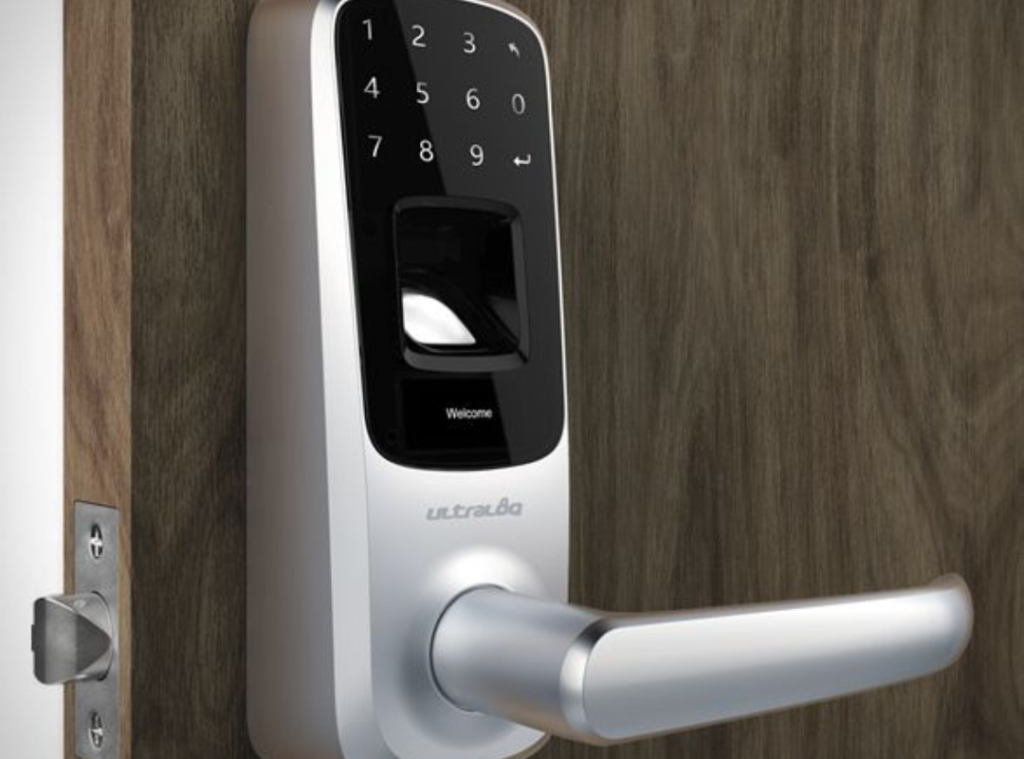
Advanced security systems include smart locks, AI-powered surveillance cameras, and motion sensors to keep homes secure even when owners are away.

4. Smart Home Systems and Their Role in Energy Efficiency
Energy-Efficient Smart Appliances
Smart refrigerators, washing machines, and air conditioners use minimal energy while optimizing performance.
Automated Energy Management
Smart meters and energy monitoring apps provide real-time insights into electricity consumption, helping homeowners reduce waste.
Role of IoT in Smart Homes
IoT devices communicate with each other to create a fully automated home experience, improving efficiency and convenience.
5. Home Security and Automation: Enhancing Safety
Smart Locks and Doorbell Cameras
Smart locks enable remote access control, while video doorbells allow homeowners to see and communicate with visitors from anywhere.
AI-Powered Surveillance Systems
CCTV cameras with AI integration can detect unusual activities, recognize faces, and send alerts in case of suspicious behavior.
Motion Sensors and Alarm Integration
These sensors enhance security by detecting movement and triggering alarms when unauthorized access is detected.
6. Solar Solutions: The Future of Sustainable Energy
What are Solar Solutions?
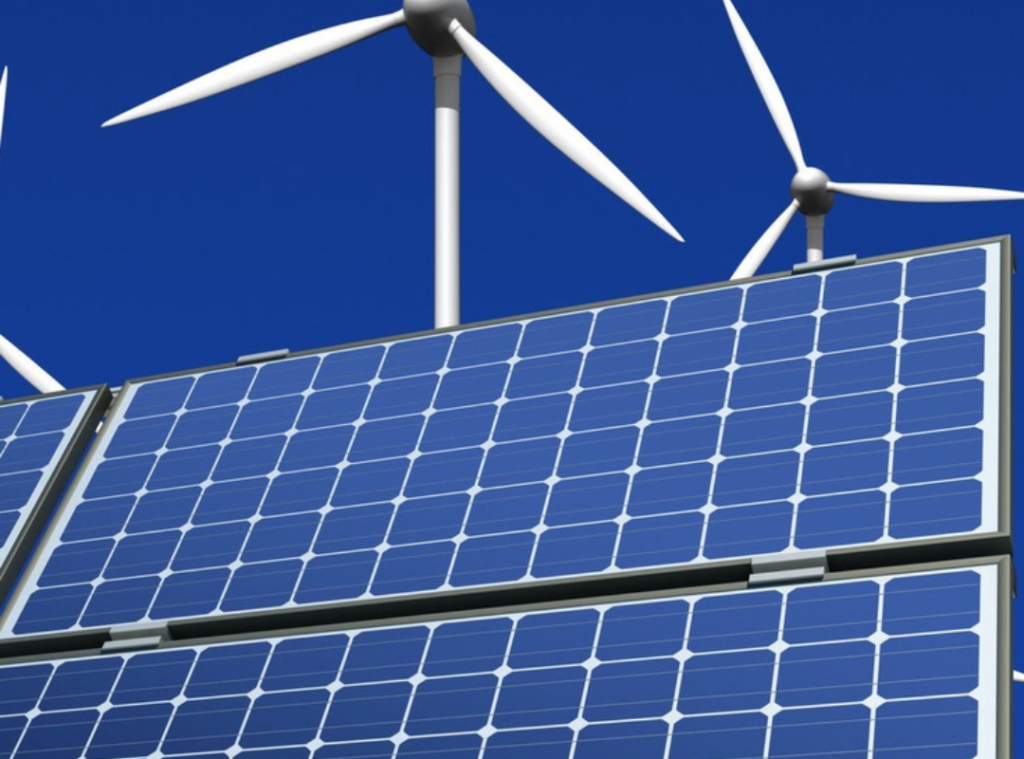
Solar energy solutions involve harnessing sunlight through photovoltaic (PV) panels to generate electricity. This is a clean and renewable energy source that helps in reducing dependency on fossil fuels.
How Solar Energy Benefits Homeowners
- Lower Energy Bills: Solar panels reduce electricity costs.
- Environmental Impact: Reduces carbon footprint.
- Energy Independence: Less reliance on the grid.
The Rise of Solar-Powered Smart Homes
Many smart homes now incorporate solar panels to power automated systems, making them more sustainable and cost-effective.
7. Types of Solar Power Systems for Homes
Grid-Tied Solar Systems
Connected to the electricity grid, these systems allow homeowners to use solar power while also drawing electricity from the grid when needed.
Off-Grid Solar Systems
Independent systems that rely entirely on solar power and battery storage, ideal for remote locations.
Hybrid Solar Power Systems
Combining solar energy with battery storage and grid access, offering flexibility and efficiency.
8. Combining Solar Power with Home Automation
How Automation Optimizes Solar Energy Use
Transforming Modern Living, smart home systems can prioritize solar energy consumption, ensuring minimal reliance on non-renewable sources.
Smart Solar Battery Storage Solutions
Batteries like Tesla Powerwall store excess solar energy for use during nighttime or power outages.
Solar-Powered Smart Devices
Transforming Modern Living, devices such as solar-powered security cameras, lights, and chargers are revolutionizing home efficiency.
9. The Role of MEP (Mechanical, Electrical, and Plumbing) in Home Automation
Importance of MEP in Smart Homes
MEP plays a crucial role in ensuring that automation systems function efficiently. Moreover, Transforming Modern Living, it integrates proper electrical, plumbing, and mechanical setups for seamless operation.
Integrating MEP with Automation for Efficiency
Transforming Modern Living, properly designed MEP systems help in the seamless integration of automation and solar energy solutions.
Future Trends in MEP and Automation
Advanced HVAC systems, smart water management, and energy-efficient electrical designs are revolutionizing homes. Furthermore, Transforming Modern Living, these innovations are shaping the future of sustainable living.
10. Choosing the Right Home Automation System
Factors to Consider Before Installation
- Compatibility with existing devices
- Ease of use and scalability
- Budget and long-term savings
Compatibility with Solar Solutions
Opt for automation systems that seamlessly integrate with solar power. Moreover, Transforming Modern Living, this approach maximizes efficiency and sustainability.
Cost and Scalability
Consider systems that offer scalability to add more smart devices in the future. Additionally, Transforming Modern Living, these solutions ensure seamless expansion without major upgrades.
Conclusion: The Smart, Sustainable Future
Transforming Modern Living, home automation and solar solutions are reshaping the way we live. With technology advancing rapidly, integrating smart systems with renewable energy sources is becoming essential for efficiency, security, and sustainability.
By adopting home automation and solar energy, homeowners can enjoy a more convenient and eco-friendly lifestyle while reducing costs and contributing to a greener planet. The future of smart homes is here—are you ready to embrace it?
FAQs
1. What is the best home automation system?
The best system depends on user needs, but popular options include Google Nest, Amazon Alexa, and Apple HomeKit.
2. How much does home automation cost?
Costs vary based on the number of devices, installation, and system complexity, ranging from $500 to $10,000+.
3. Can solar power run a fully automated home?
Yes, with the right solar panel system and battery storage, an automated home can function entirely on solar energy.
4. Are smart home systems secure from hackers?
Proper security measures such as encryption, strong passwords, and regular updates can help protect smart homes from cyber threats.
5. Is home automation worth it?
Yes, it enhances convenience, security, and energy efficiency, leading to long-term savings and a better living experience.

Leave a Reply